
In the global drive towards agricultural modernization, the importance of organic fertilizers has become increasingly evident. As a fertilizer rich in organic matter and various nutrients, organic fertilizer made from animal manure not only improves soil structure and enhances its water retention and aeration but also provides crops with a comprehensive and balanced supply of nutrients. This significantly boosts crop yield and quality. Compared to chemical fertilizers, organic fertilizers are more environmentally friendly, effectively reducing soil pollution and harmful residues in agricultural products, thus aligning with the requirements of sustainable modern agriculture.
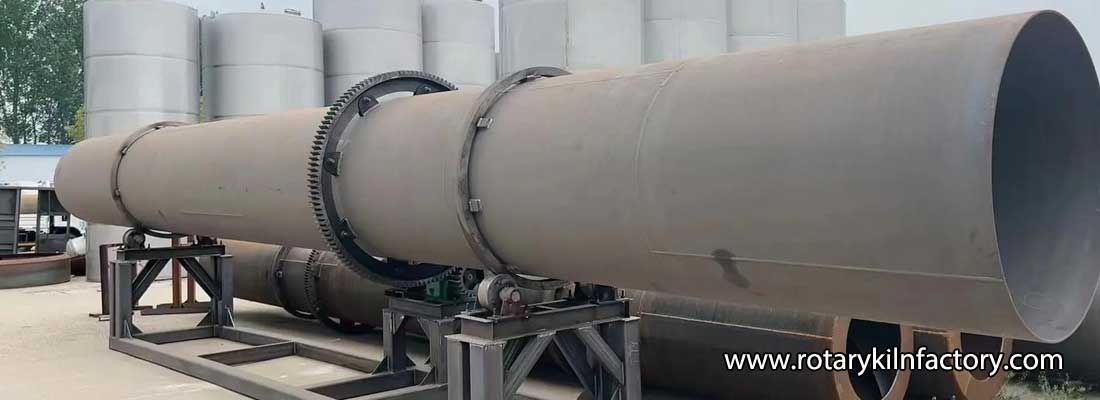
The production of organic fertilizer involves several key stages, from the collection and pre-treatment of raw materials such as duck manure, cow manure, and chicken manure, to fermentation and composting, crushing and mixing, granulation, and finally drying and cooling. Each of these steps has a significant impact on the quality of the final product. Among these stages, the drying process is particularly critical. It not only ensures the quality of the finished organic fertilizer but also is essential for the long-term storage and transportation of the product. Therefore, the organic fertilizer dryer, also known as the poultry manure dryer (including cow manure dryers, chicken manure dryers, etc.), becomes an indispensable key equipment in the organic fertilizer production process.


The primary function of a poultry manure drying machine is to reduce the moisture content of organic fertilizer raw materials through physical means, bringing them to an optimal level of dryness. This process not only significantly shortens the production cycle of organic fertilizer but also effectively eliminates pathogens and parasites present in the raw materials, thereby enhancing the safety and sanitary standards of the organic fertilizer. Modern poultry manure dryers employ advanced drying technology and efficient designs, offering multiple advantages such as high efficiency, energy saving, and environmental protection. They can accommodate various production scales, providing reliable support for the mass production of organic fertilizer.
Organic Fertilizer Production Process

Raw material collection and pre-treatment
Organic fertilizer can be made from a variety of raw materials, primarily including livestock and poultry manure, crop straw, fruit and vegetable waste, and kitchen waste. These materials are widely available, easy to obtain, and cost-effective. However, they must undergo pre-treatment before use. Pre-treatment steps include removing impurities, adjusting moisture content, and shredding.
Fermentation and composting
Fermentation is the core step in organic fertilizer production, where microorganisms metabolize organic matter into nutrients that are easily absorbed by plants. Composting is a common fermentation method, which involves piling up the raw materials and periodically turning them to promote the growth of aerobic microorganisms, thereby speeding up the fermentation process.
Crushing and mixing
After fermentation, the material needs to be crushed to ensure uniform particle size, enhancing the fertilizer’s appearance and application effectiveness. The crushed material is then mixed with other auxiliary ingredients to balance the nutrient ratios according to different crop needs. The mixing process must be uniform to ensure that all quality standards of the fertilizer are met. Modern organic fertilizer production typically uses high-efficiency crushers and mixers to improve production efficiency and product quality.
Granulation
Granulation involves converting the crushed and mixed materials into granules. Granular organic fertilizer has better flowability and uniformity during transportation, storage, and application, making it more convenient for farmers. Granulation methods include extrusion granulation, drum granulation, and spray granulation, among others.
Drying and cooling
The granulated organic fertilizer pellets have a high moisture content and need to be dried to reduce the moisture level, ensuring the fertilizer does not mold during storage and transportation. In this drying process, poultry manure dryers play a crucial role. They use hot air circulation and drum rotation to rapidly evaporate the moisture in the granules. The dried granules then need to be cooled to lower their temperature, preventing any adverse effects of high temperatures on the physical and chemical properties of the fertilizer. Effective control of the drying and cooling process guarantees the quality and stability of the organic fertilizer.
Screening and packaging
After drying and cooling, the organic fertilizer granules are screened to remove any unqualified particles and powder, ensuring uniformity and a pleasing appearance. The screening process typically uses vibrating screens or drum screens to classify the granules by size. The qualified granules are then packaged. Packaging involves placing the organic fertilizer into bags, making it convenient for storage and transportation.
Why Use Poultry Manure Dryers?


Ensuring moisture content within a specified range
Before being processed into granules, raw materials need to be crushed and mixed. To produce fine, well-formed granules, the moisture content of the raw materials must be within a specific range. Drying equipment is essential for adjusting the moisture content of the raw materials to achieve this.
Reducing transportation costs
Once the organic fertilizer granules are formed, excess moisture must be removed. High moisture content in organic fertilizer granules can lead to bacterial growth, making storage difficult. Additionally, high moisture content increases the weight of the granules, thus raising transportation costs. Drying the granules helps reduce these issues, ensuring that the product is more stable and cost-effective to transport.
Preventing caking during transport and storage
Excess moisture in organic fertilizer granules can cause caking during storage and transportation, significantly affecting the quality of the granules. Using a poultry manure dryer to dry the granules can effectively prevent caking, maintaining the integrity and quality of the product throughout its lifecycle.
Advantages of Rotary Drum Organic Fertilizer Dryers
High Efficiency
Rapid moisture reduction: Organic fertilizer dryers can quickly reduce the moisture content of materials from as high as 70-80% down to 12-15%. This high-efficiency moisture removal capability ensures that the organic fertilizer maintains its optimal nutrient content during processing, benefiting subsequent processing and utilization.
Time and energy savings: Advanced drying technology and design make the organic fertilizer dryer energy-efficient, consuming less energy during the drying process. Additionally, the rapid drying process significantly shortens the production cycle, enhancing overall production efficiency.
Environmental Friendliness
Reduced odor and pollutant emissions: Organic fertilizer dryers typically operate in a fully enclosed environment, ensuring that odors and dust do not leak out during the drying process, thereby reducing environmental pollution. The inclusion of dust and odor removal systems effectively handles the emissions generated during drying, further mitigating environmental impact.
Resource reutilization: By converting waste organic materials (such as poultry and cattle manure) into high-value organic fertilizers, these dryers facilitate resource reutilization. This process reduces the burden of waste on the environment and promotes sustainable agricultural development.
In modern agriculture and sustainable development, the application of organic fertilizers is becoming increasingly widespread. Poultry manure drying machines, as key equipment, undoubtedly play a crucial role in driving this process forward. Choosing a high-quality organic fertilizer dryer not only ensures production efficiency and product quality but also contributes positively to environmental protection and resource reutilization. As technology continues to advance and demand grows, organic fertilizer dryers will play an even more significant role in the future, supporting green agricultural development and enhancing economic benefits.