
How to Smelt Ferronickel in The Nickel Smelting Plant
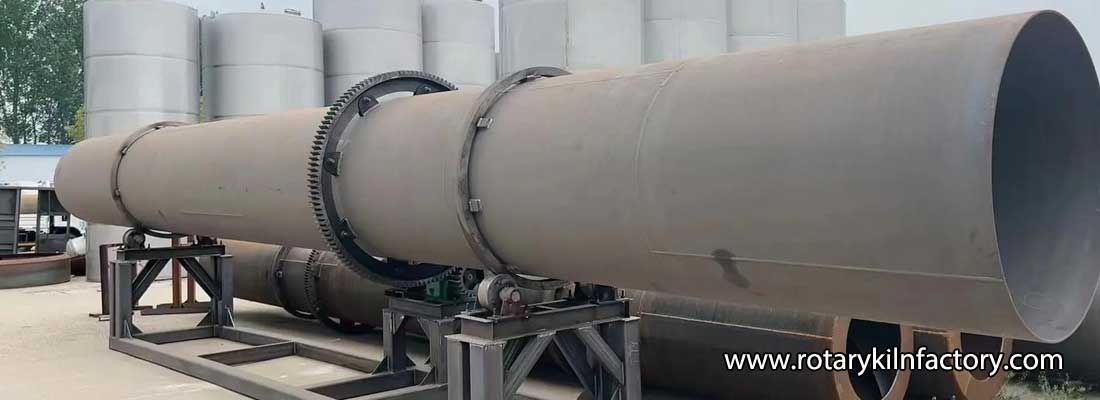
The production of ferronickel by the rotary kiln-electric furnace(RKEF) process is a rapidly developing nickel laterite ore treatment process. Because the RKEF process technology is mature and reliable, and the project investment risk is low, it is widely used in nickel smelting plants around the world. The main processes of this process include drying, calcination (Lateritic Nickel Rotary Kiln), pre-reduction (electric furnace smelting), refining, and other processes.
The newly built ferronickel project in the state of Para, Brazil uses the rotary kiln-electric furnace process to process nickel laterite ore to produce ferronickel. The project is equipped with two Φ4.6×45m drying kilns, two Φ6×135m laterite nickel ore rotary kilns, and two 120,000 kVA rectangular submerged arc furnaces (currently the world’s largest power), with an annual output of 220,000 tons of alloys (grade 25% ), 52,000 tons of nickel.

AGICO participated in the design and construction of the RKEF process to treat laterite nickel ore project, which was put into operation in Fujian, China. This project is the largest ferronickel complete production line project in China so far. The project adopts two Φ5×40m drying kilns, four Φ4.8×100m laterite nickel ore rotary kilns, and four 33000 KVA circular submerged arc furnaces, with an annual output of 20,000 tons of nickel. The rotary kiln-electric furnace process is suitable for processing magnesia silicate laterite type A, intermediate laterite type C1, and C2.
How is Rotary Kiln-Electric Furnace(RKEF) Process?

- Drying uses a rotary drying kiln to mainly remove part of the water in the ore.
- Roasting – pre-reduction. The RKEF lateritic nickel rotary kiln is mainly used to remove the remaining free water and crystal water in the ore to preheat the ore to selectively reduce part of the nickel and iron.
- Electric furnace smelting reduction. Metal nickel and some iron separate the slag from ferronickel and form coarse ferronickel.
- Refining generally adopts ladle refining to remove impurities such as sulfur and phosphorus in crude ferronickel to meet market requirements. If nickel matte is produced, it is necessary to spray sulfur into the discharge port of the roasting rotary kiln to convert nickel into nickel matte with low iron.
Technical Advantages of RKEF Nickel Process
1. The raw material has strong adaptability.
It can be applied to magnesia silicate ore, limonite-type nickel oxide ore with iron content not higher than 30%, and intermediate-type ore. Most suitable for high-magnesium, low-iron nickel oxide ores that are difficult to process using wet processes.
2. The nickel-iron grade is high and there are few harmful elements.
The same ore RKEF process produces higher ferronickel grades than other processes.

3. Environmentally friendly, solid waste recycling.
The whole process from the water-containing charge entering the rotary kiln to the iron and slag tapping in the submerged arc furnace, the charge is completely closed. There is a lot of moisture in the raw materials, and no dust is generated during the material yard and the process of screening, crushing, and transportation.
4. High level of energy conservation and utilization.
The calcines produced by the laterite nickel ore rotary kiln are fed into the furnace at a high temperature above 800 °C. Compared with the cold material fed into the furnace, a lot of physical heat and chemical heat are saved, the consumption of electric energy and the reducing agent is significantly reduced, and the production efficiency is improved. The waste heat from the flue gas of the rotary kiln can also be recovered as steam for power generation.